





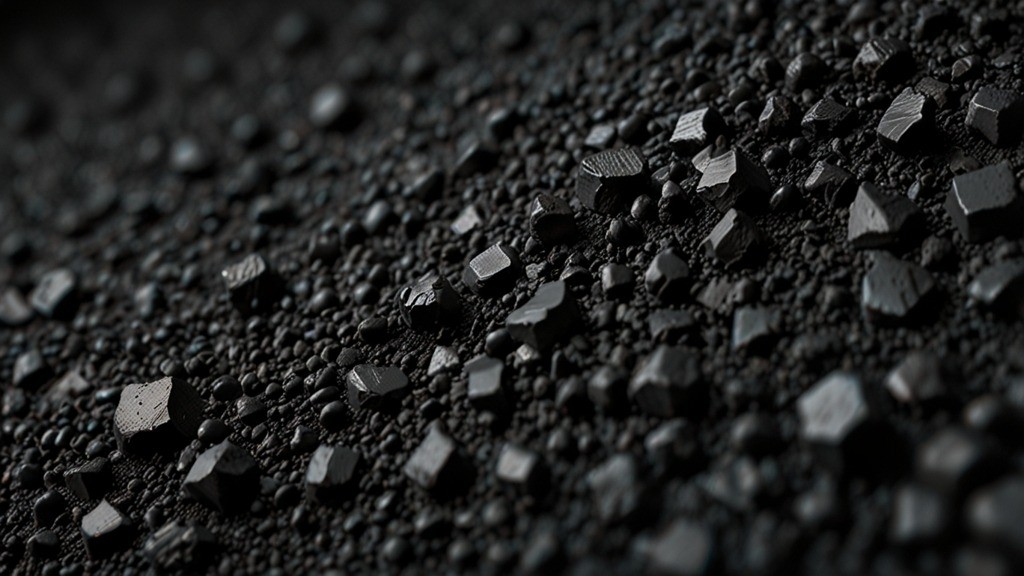
The industrial landscape is evolving rapidly, with sustainability and resource efficiency becoming central to manufacturing decisions. Businesses today are no longer focused solely on product performance; they are equally concerned about environmental responsibility, cost optimisation, and long-term value creation. In this changing environment, continua birla carbon has emerged as an important innovation, demonstrating how circular material solutions can support industrial growth while reducing dependence on virgin raw materials. As industries embrace sustainable alternatives, understanding the economics behind recovered materials has become increasingly significant.
Recovered carbon black has become a valuable resource across numerous sectors, including tyres, plastics, coatings, inks, construction materials, and advanced manufacturing. Produced through the recovery of carbon-rich material from end-of-life tyres and other waste streams, it offers manufacturers an opportunity to improve sustainability without compromising functionality. However, its pricing is influenced by several technical, economic, and market-related factors that directly affect industrial operations and investment decisions.
What Is Recovered Carbon Black?
Recovered carbon black (rCB) is a sustainable material obtained through the pyrolysis of end-of-life tyres. During this process, tyres are heated in an oxygen-free environment, allowing valuable materials such as recovered carbon black, steel, oil, and gas to be separated and reused.
Unlike conventional carbon black, which is manufactured using fossil-based feedstocks, recovered carbon black supports circular economy principles by extending the lifecycle of valuable materials. This reduces landfill waste, lowers carbon emissions, and helps manufacturers achieve sustainability objectives while maintaining product performance in suitable applications. As industries continue to pursue environmentally responsible manufacturing, recovered carbon black is increasingly finding applications across diverse production processes.
Factors That Influence recovered carbon black price
Several factors determine the market value of recovered carbon black, making pricing more dynamic than many conventional industrial materials. From production quality and processing technology to supply chain conditions and global demand, multiple variables influence purchasing decisions. Understanding recovered carbon black price requires examining these interconnected factors rather than considering a single market indicator. Pricing often reflects both production capabilities and market demand.
Quality and Purity
Recovered carbon black is available in different grades depending on the feedstock and recovery process. Higher purity levels generally require advanced processing techniques, resulting in higher production costs. Manufacturers seeking consistent performance often prioritise premium-quality recovered carbon black, especially in demanding industrial applications.
Recovery Technology
The efficiency of pyrolysis technology significantly affects production economics. Advanced recovery systems produce more consistent material quality while reducing energy consumption and operational waste.
Modern processing facilities equipped with sophisticated quality control systems typically offer products with greater reliability, influencing market pricing.
Supply and Demand
Growing sustainability initiatives have increased demand for recovered carbon black globally. Industries such as automotive, plastics, and coatings are actively incorporating recycled materials into their manufacturing processes.
Transportation and Logistics
Recovered carbon black production facilities are not evenly distributed across all regions. Transportation costs, international trade policies, and supply chain disruptions can influence regional pricing considerably. Manufacturers often evaluate local availability alongside overall procurement costs before making purchasing decisions.
Government Regulations
Environmental regulations encouraging recycling and circular manufacturing have positively impacted market demand. Incentives supporting sustainable materials can improve adoption, while stricter compliance standards may also affect production costs.
Industries Benefiting from Recovered Carbon Black
Recovered carbon black has become increasingly valuable across multiple sectors due to its balance between sustainability and performance.
Tyre Manufacturing
The tyre industry remains one of the largest consumers of carbon black. Recovered carbon black is increasingly incorporated into selected tyre components to improve sustainability while reducing reliance on virgin materials.
Plastics Industry
Carbon black enhances UV resistance, durability, and colour consistency in plastic products. Recovered alternatives help manufacturers lower environmental impact while maintaining product quality in appropriate applications.
Coatings and Paints
Industrial coatings utilise carbon black to provide pigmentation, weather resistance, and protective properties. Sustainable material options are becoming more attractive as environmental regulations evolve.
Rubber Goods
Industrial belts, hoses, seals, gaskets, and various rubber products benefit from carbon black reinforcement. Recovered material contributes to sustainable production without sacrificing essential performance characteristics.
Sustainability and the Future of Carbon Materials
Sustainability has become a competitive advantage rather than simply a regulatory requirement. Manufacturers are increasingly evaluating every raw material through environmental, economic, and performance perspectives.
Recovered carbon black supports several important sustainability goals:
- Reducing landfill waste.
- Lowering greenhouse gas emissions.
- Conserving valuable natural resources.
- Supporting circular economy initiatives.
- Improving long-term resource availability.
The continued advancement of recycling technologies is expected to improve both material quality and production efficiency, making recovered carbon black an even more attractive industrial solution in the years ahead.
Innovation Driving Industrial Growth
Modern industries increasingly require materials capable of supporting both high performance and environmental responsibility. This demand has accelerated innovation across advanced carbon technologies. Research continues to improve recovery methods, material consistency, and application development. Companies are also investing heavily in specialised carbon materials designed for electronics, energy storage, advanced polymers, coatings, and emerging technologies.
The growing collaboration between manufacturers, research institutions, and material science experts is helping expand the commercial potential of sustainable carbon solutions while addressing evolving market expectations. Continued investment in research and technological advancement is expected to unlock new applications that were previously difficult to achieve using conventional manufacturing approaches.
Conclusion
Industrial sustainability is reshaping how manufacturers evaluate raw materials, balancing performance, environmental responsibility, and long-term economic value. As circular manufacturing gains greater momentum, recovered carbon black is expected to remain an important contributor to efficient and responsible production. At the same time, advanced applications involving conductive carbon inks demonstrate how carbon-based materials continue to support innovation across electronics, coatings, and other specialised industries.
Supporting this transition are organisations committed to advancing material science through continuous innovation and responsible manufacturing. Birla Carbon has established itself as a global leader by combining extensive research capabilities with a strong focus on sustainable carbon solutions, helping industries address evolving performance requirements while encouraging circularity and technological progress. Its continued investment in innovation, customised material development, and responsible production reflects its commitment to delivering dependable solutions for customers across a wide range of industrial applications.

