





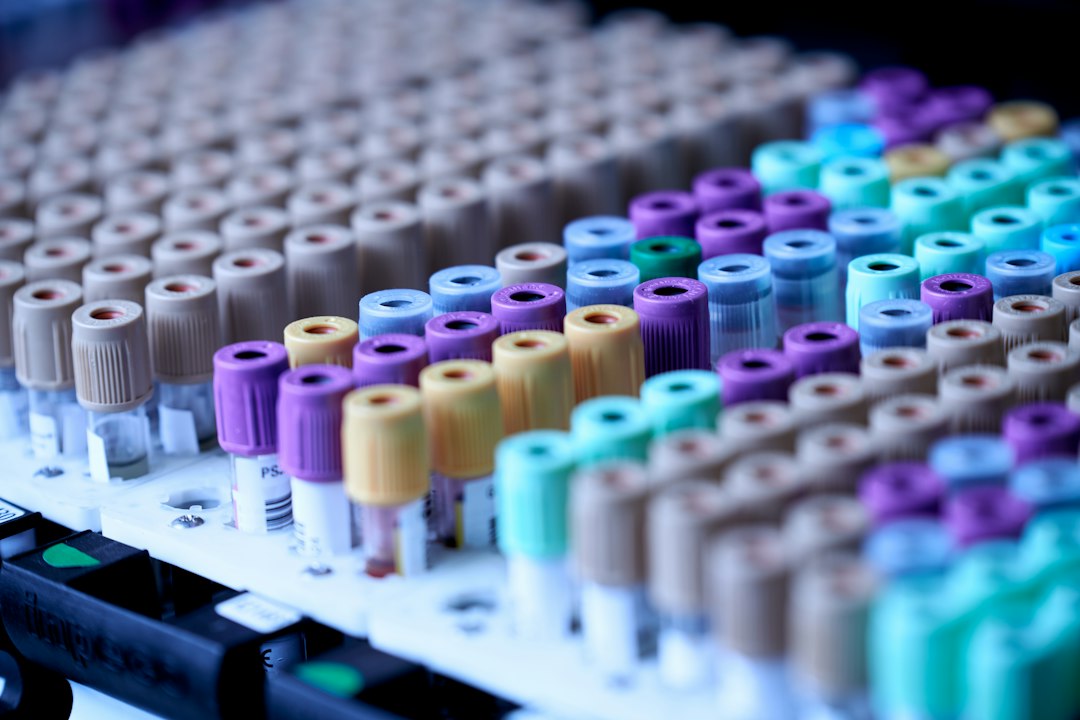
Peptide research continues to attract attention as laboratories increasingly focus on purity, consistency, and well-defined research materials. Among the compounds receiving growing interest, ghk cu stands out as a copper-associated peptide frequently examined in laboratory and biochemical research. The increasing focus on analytical quality has also made characteristics such as purity percentage, batch consistency, storage conditions, and documentation important factors when evaluating research peptides. For researchers in Canada, The Peptide Labs provides access to high-purity research peptides with a strong focus on quality and reliable Canada-wide delivery.
Contents
- Growing Interest in GHK-Cu Research
- Purity as a Key Research Metric
- Stability and Storage Trends
- Canada’s Expanding Research Peptide Market
- Data-Driven Peptide Research
- Conclusion
Growing Interest in GHK-Cu Research
Current peptide research trends show a broader movement toward compounds that can be studied through controlled laboratory environments and measurable analytical methods. GHK-Cu fits within this research landscape because its molecular structure and copper-binding characteristics provide opportunities for scientific investigation.
The popularity of peptide-based research is also connected with improvements in laboratory testing. Modern analytical techniques allow researchers to examine peptide identity, purity, composition, and stability with greater precision. This has increased the importance of sourcing research materials that are clearly characterized and consistently prepared.
Purity as a Key Research Metric
Purity remains one of the most important statistics associated with research peptides. A high-purity specification can help researchers maintain greater consistency between experimental batches and reduce the presence of unwanted components.
For GHK-Cu research, purity can be particularly relevant when researchers are comparing experimental observations across different studies or laboratory conditions. The Peptide Labs offers research peptides with ≥99% purity, supporting a quality-focused approach to laboratory research.
A clearly defined purity specification also makes product selection more transparent. Researchers can evaluate materials according to measurable characteristics rather than relying solely on general descriptions.
Stability and Storage Trends
Peptide stability is another major consideration in laboratory research. Environmental factors such as temperature, moisture, light exposure, and handling procedures can influence the condition of peptide materials over time.
As peptide research becomes more structured, proper storage has become an increasingly recognized part of research material management. Maintaining appropriate storage conditions can help preserve the intended characteristics of a peptide and support consistent laboratory workflows.
For GHK-Cu research, careful handling and storage practices can therefore complement high-purity sourcing and analytical quality standards.
Canada’s Expanding Research Peptide Market
Canada represents an active environment for scientific and laboratory research, creating continued demand for dependable research materials. Online access has also made it easier for laboratories and researchers to source specialized peptides across different regions.
The Peptide Labs is positioned around this demand by offering high-purity research peptides in Canada along with reliable Canada-wide delivery. Free shipping on orders over $150 further supports convenient access for eligible orders.
The combination of purity-focused products, straightforward availability, and nationwide delivery reflects the changing expectations surrounding modern research peptide purchasing.
Data-Driven Peptide Research
Statistics and measurable specifications are becoming increasingly important throughout peptide research. Instead of evaluating materials only through general descriptions, researchers can consider factors such as stated purity, molecular characteristics, batch information, storage requirements, and product consistency.
This data-focused approach can make laboratory planning more organized and improve transparency when selecting research materials. GHK-Cu remains an interesting compound within this broader scientific environment, particularly as researchers continue examining peptide structure, copper interaction, and related biochemical characteristics.
Conclusion
GHK-Cu represents a notable area of interest within the expanding field of peptide research. Trends toward higher purity, improved analytical standards, careful storage, and measurable product specifications continue to shape the research peptide market. With ≥99% purity and Canada-wide delivery, The Peptide Labs supports researchers seeking quality-focused research peptides for laboratory applications. As peptide science continues to develop, transparent specifications and consistent research materials are likely to remain central to professional laboratory workflows.
Key Points
- Peptide research is increasingly focused on purity, consistency, and well-defined research materials.
- GHK-Cu is a copper-associated peptide that is frequently examined in laboratory and biochemical research.
- Purity remains a critical metric for research peptides, with The Peptide Labs offering products with ≥99% purity.
- Environmental factors like temperature and moisture significantly affect peptide stability and require proper storage practices.
- The Peptide Labs provides high-purity research peptides in Canada with reliable nationwide delivery and free shipping on orders over $150.
- Data-driven approaches, emphasizing measurable specifications and characteristics, are becoming vital in peptide research.

