





When I was younger, I remember watching my parents switch between different credit cards to maximize rewards for each purchase. They often chose one specific card first because, as they explained, its base rewards were better than even the specialized perks of others. Years later, when I decided to apply for a premium credit card, that same option was the first to come to mind.
Experiences like this don’t happen randomly. They are shaped by many small interactions that influence how someone discovers, evaluates, and ultimately chooses a product or service. Customer journey mapping is the process of identifying and organizing those interactions—from the first moment of awareness to building a long-term relationship.
In this guide, we’ll explore everything you need to know about customer journey mapping, along with examples and templates to help you create your own.
What is a customer journey map?
A customer journey map is a visual representation of the complete experience a customer goes through—from initial awareness to becoming a loyal advocate.
This journey is typically divided into two main parts: the buyer journey and the user journey. The buyer journey includes everything leading up to the purchase decision. After the purchase, the individual becomes a user, and their experiences fall under the user journey.
The path may include many twists and turns across different channels and touchpoints. A well-structured customer journey map helps you understand and anticipate where both you and your customers are headed.
How to create a customer journey map
Creating a customer journey map involves breaking down the overall experience into clear, manageable steps. This helps you identify where customers succeed, where they encounter challenges, and where improvements can be made. Below is a step-by-step approach, from defining goals to refining your final map.
If you already have a preferred structure, you can use that. Otherwise, select a template before beginning.
1. Define objectives
Start by identifying the purpose of your customer journey map. Ask questions such as:
- Do you want to increase sales within a specific audience segment?
- Do you want to improve conversion rates for existing opportunities?
- Do you want to understand why a feature or service is underutilized?
Clear objectives help establish direction, timelines, and measurable outcomes. Knowing what success looks like ensures your efforts are focused and effective.
2. Create personas
If you don’t already have customer personas, now is the time to develop them. Create two to three detailed profiles representing your target audience and use them throughout the mapping process.
Consider questions like:
- Why do people use your product or service?
- What problems are they trying to solve?
- How, when, and where do they engage with your offering?
These personas help you visualize how different individuals interact with your brand and what motivates their decisions.
3. Collect data
Gather insights from various sources to build an accurate map. Collaborate with teams across sales, marketing, and customer experience to understand the journey in detail.
Useful data includes:
- Stages of the sales process
- Common challenges faced by customers
- Market segmentation criteria
- Customer feedback on interactions and support
- Additional insights suggested by internal teams
- Combining qualitative and quantitative data will give you a more complete picture.
4. Map stages
With your objectives and personas defined, outline all the touchpoints where customers interact with your brand. These interactions generally fall into five key stages:
- Awareness: When potential customers first learn about your product or service.
- Consideration: When they evaluate options and compare alternatives.
- Conversion: When they take action, such as making a purchase or signing up.
- Retention: When they continue using your offering and experience ongoing value.
- Loyalty: When they become repeat customers or recommend your brand to others.
Depending on your business model, you may add or adjust stages to better reflect your process.
5. Visualize and analyze
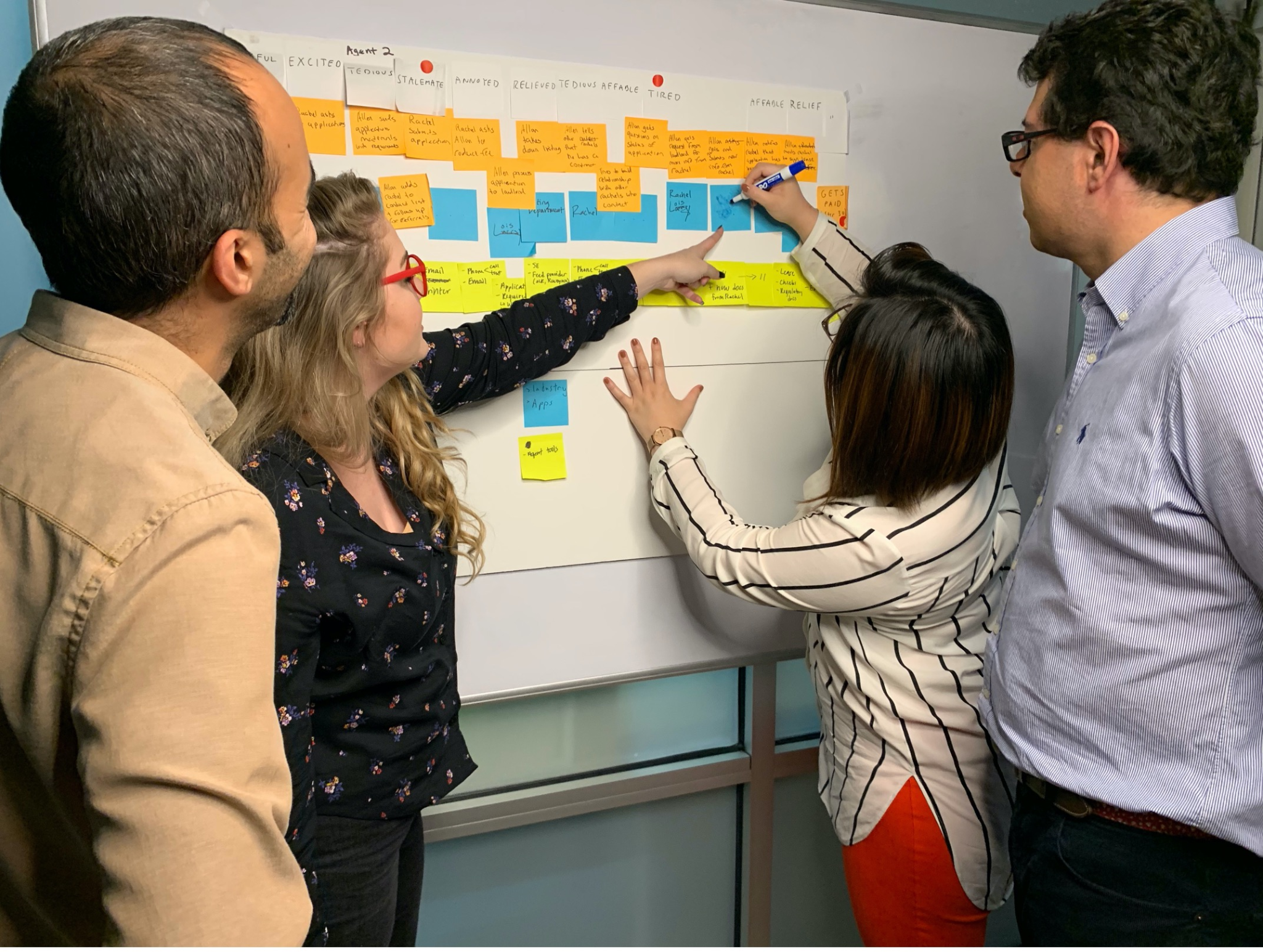
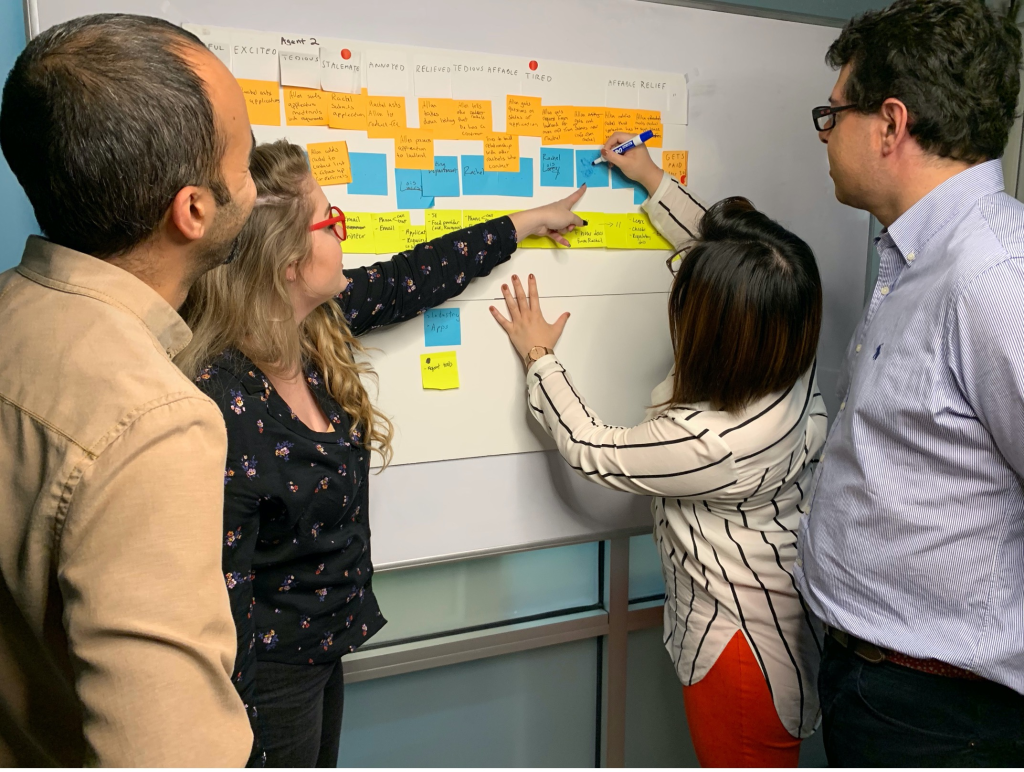
Use the collected data to create a visual representation of the journey. This can be done using templates or a customized layout that aligns with your specific needs.
The goal is to clearly illustrate each stage, touchpoint, and customer experience.
6. Share and refine your map
Once your map is complete, share it with relevant teams for feedback. Different perspectives can uncover insights you may have missed.
For example, one team might highlight preferred communication channels, while another may identify overlooked features that resonate with specific personas.
Continuous refinement ensures your map stays relevant and effective.
Customer journey map templates
Here are some commonly used templates that can be customized to fit your needs.
General customer journey map template
This template organizes the journey into five stages, with guiding questions for each phase. It allows you to adjust stage names and details based on your specific process.
Day-in-the-life map template
This approach focuses on shorter, time-based experiences within the broader journey. It highlights key moments, interactions, and gaps over a defined period.
Customer support journey map template
This template emphasizes support interactions, including both customer-facing touchpoints and internal processes. It also includes space for summary insights and improvement areas.
Customer journey map examples
Starting from scratch can be challenging, so reviewing examples can help you understand how a completed map looks.
General customer journey mapping example
In this example, a company documents the customer journey step by step:
- Awareness: The customer identifies a problem and begins searching for solutions, encountering relevant content or promotions.
- Consideration: The customer compares options, reviews features, and reads supporting materials.
- Intent and onboarding: The customer explores the product through trials or demos.
- Conversion: The customer decides to purchase after confirming value and addressing final concerns.
- Expansion and advocacy: The customer becomes highly satisfied and may recommend the product or expand usage.
The focus is on understanding customer questions at each stage and providing the right answers.
Day-in-the-life customer mapping example
- This example follows a persona through a daily routine:
- Pre-activity: The customer prepares and evaluates available tools or products.
- Warm-up: The customer uses supporting items to get started.
- Main activity: The customer engages fully with the core experience.
- Secondary activity: The customer explores additional options or enhancements.
- Post-activity: The customer winds down and may consider related purchases.
- Each stage reveals opportunities to meet specific needs.
Customer support journey mapping example
- This example highlights a support interaction:
- Submit request: The customer reports an issue through a form or chat system.
- Provide additional details: Automated prompts gather more information.
- Interact with support: A representative assists in resolving the issue.
- Confirm resolution: The customer verifies that the issue has been solved.
- Provide feedback: The customer shares their experience through a survey.
- Analyzing this process helps improve customer satisfaction and retention.
Customer journey mapping best practices
To make your map more effective, apply these best practices:
Automate data collection
High-quality customer experiences depend on personalization, which requires accurate data. Manual data collection can be inefficient and difficult to scale.
Automation tools can connect systems, capture customer information, and generate insights in real time. This enables teams to deliver more relevant and personalized experiences while maintaining efficiency.

