






Commodity trading plays a crucial role in global financial markets, enabling investors to trade assets such as gold, oil, and agricultural products. A reliable commodity trading platform offers traders access to real-time market data and analytical tools to navigate price fluctuations. Understanding the factors influencing commodity prices is essential for making informed investment decisions and refining trading strategies. Finding the best commodity trading brokers in India often involves comparing research tools, brokerage fees, and trading platforms.
Key Factors Affecting Commodity Prices
- Supply and Demand Dynamics
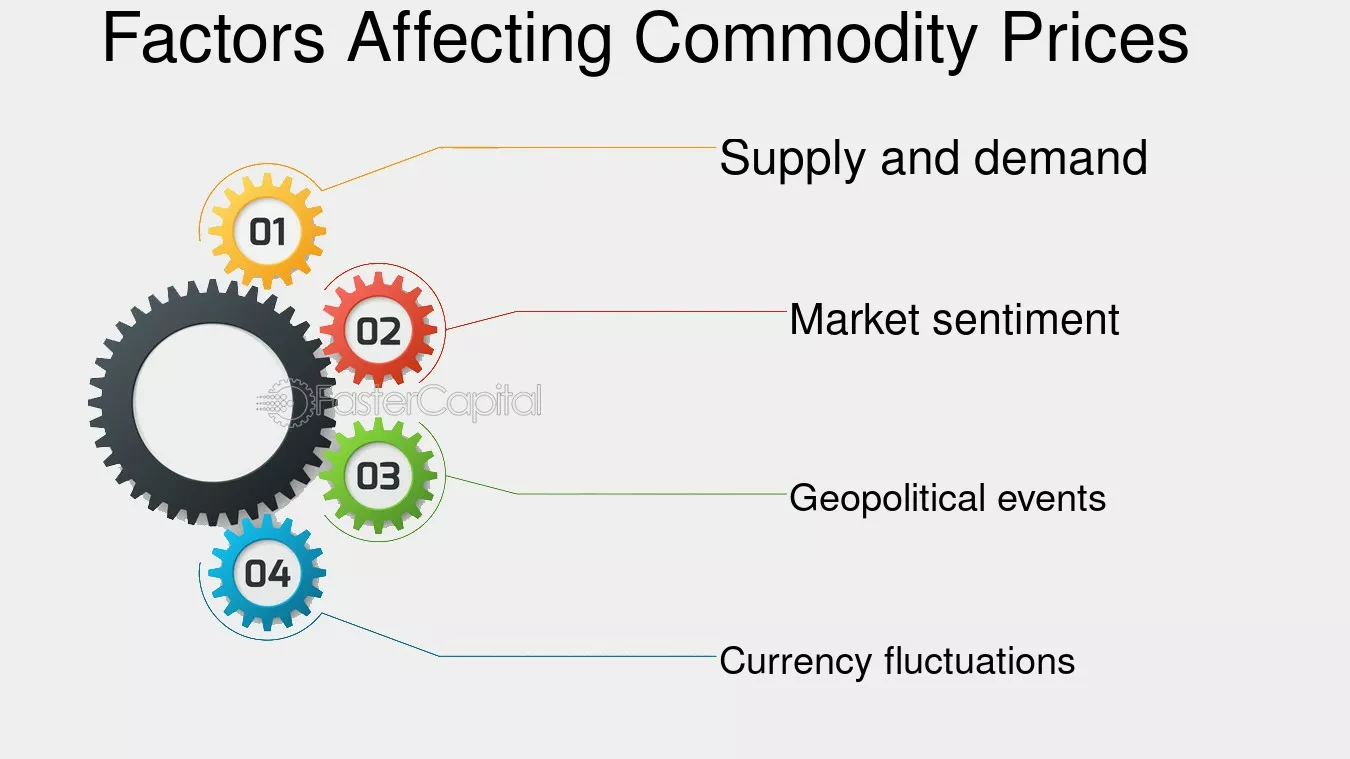
The fundamental principle driving commodity prices is supply and demand. Factors such as seasonal patterns, agricultural yields, mining output, and industrial consumption can significantly influence market trends. For instance, poor crop yields due to adverse weather conditions can drive up agricultural commodity prices, while increased industrial demand for metals can lead to price surges. - Market Volatility and Speculation
Speculative trading plays a significant role in price fluctuations within commodity markets. Traders using commodity trading platforms often engage in futures contracts, which can amplify price movements. Additionally, sudden market sentiment shifts, driven by news or economic forecasts, can create sharp price swings. - Geopolitical Events
Political instability, international conflicts, and changes in trade policies can significantly impact commodity prices. For example, disruptions in oil supply due to conflicts in key producing regions often cause crude oil prices to spike. Similarly, trade sanctions can affect the availability and pricing of essential commodities. - Currency Fluctuations
Since most commodities are traded in US dollars, changes in currency exchange rates directly impact prices. A stronger dollar typically makes commodities more expensive for international buyers, leading to decreased demand and lower prices. Conversely, a weaker dollar often boosts demand and increases prices. - Economic Indicators
Global economic conditions, including GDP growth, inflation rates, and employment figures, can affect commodity prices. During periods of economic expansion, industrial demand for raw materials typically increases, driving up prices. Conversely, economic slowdowns can reduce demand and lead to price declines. - Technological Developments
Innovations in extraction, production, and trading technologies can impact commodity prices. For example, advancements in shale oil extraction have influenced global oil prices by increasing supply. Additionally, modern commodity trading platforms equipped with real-time analytics enhance traders’ ability to respond quickly to market changes.
The Role of Commodity Trading Platforms
Commodity trading platforms provide vital tools for market analysis and trade execution. With features such as real-time price feeds, analytical charts, and automated trading options, these platforms help investors monitor market trends and respond promptly to price fluctuations. By leveraging these platforms, traders can efficiently implement strategies that align with market movements.
Impact on Trading Strategies
Understanding the factors that drive commodity prices allows traders to refine their strategies. For instance, those focusing on short-term trades may capitalize on market volatility, while long-term investors may prioritize economic trends and geopolitical events. Furthermore, integrating tools from a commodity trading platform, such as technical analysis and futures contract data, can enhance decision-making.
A demat account, in addition to a trading account that specifically allows access to commodity markets, is generally necessary for participating in commodity futures trading.
Conclusion
Commodity prices are influenced by a complex interplay of market forces, ranging from supply-demand dynamics to geopolitical events and technological advancements. Traders using a commodity trading platform can benefit from staying informed about these factors to navigate market fluctuations effectively. By understanding and analyzing these drivers, investors can develop well-informed trading strategies that align with their investment goals.

