



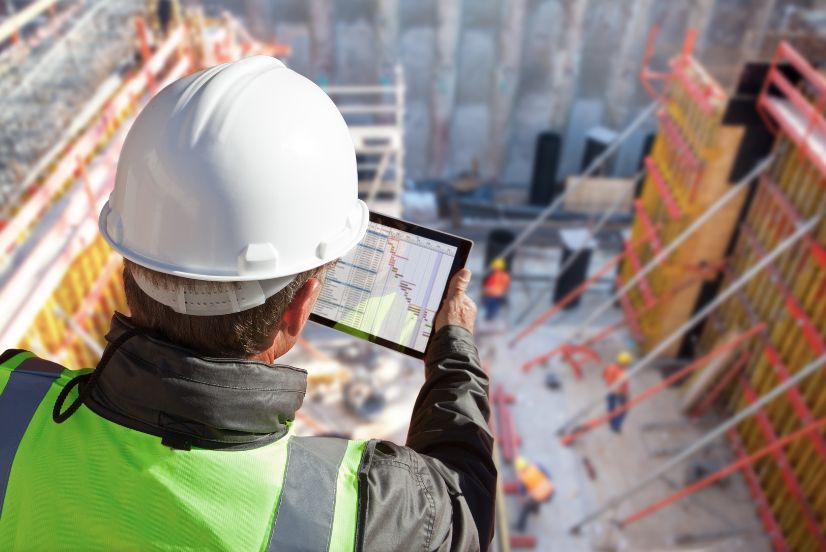
Construction projects are often complex, involving multiple stakeholders, intricate timelines, and significant budgets. Amid this complexity, construction scheduling software emerges as an invaluable tool that ensures every project is executed efficiently and stays on track. By combining smart planning with real-time insights, such software helps construction managers streamline operations, reduce risks, and optimize resources to achieve successful outcomes.
Whether you’re overseeing a small renovation or managing a multi-phase infrastructure project, construction scheduling software provides the clarity and structure needed to deliver results effectively.
This article will explore the benefits of construction scheduling software and why adopting it is pivotal for staying competitive in today’s construction landscape.
The Importance of Scheduling in Construction
Effective scheduling is the backbone of any construction project. Without a clear timeline, even the best teams can struggle with overlapping tasks, missed deadlines, and budget overruns. Scheduling ensures that resources such as manpower, materials, and equipment are allocated efficiently. Critical milestones are clearly defined, enabling teams to align and work toward shared goals.
Construction scheduling software takes this a step further by digitizing the process, allowing managers to move away from traditional methods like pen and paper or spreadsheets. It creates a centralized and dynamic platform that automatically adjusts as project conditions change, keeping everyone informed and reducing the potential for human error.
Key Benefits of Construction Scheduling Software
Greater Visibility into Project Timelines
One of the most significant challenges in construction is the ambiguity surrounding project timelines. Unexpected delays can disrupt even the best-laid plans. Construction scheduling software provides a solution by offering real-time visibility into ongoing projects.
This software allows project managers to break down tasks and phases into manageable elements that can be assigned with precise deadlines. Teams can gain clarity on what needs to be done, ensuring timely execution of deliverables. It also helps identify potential bottlenecks before they escalate into significant delays.
With greater timeline visibility, stakeholders can plan more effectively, mitigating unnecessary risks associated with rushed decisions or uncoordinated tasks.
Improved Resource Allocation
Construction projects require careful resource planning to ensure labor, materials, and equipment are used efficiently. Overuse or underuse of resources can lead to inflated costs and extended timelines.
Construction scheduling software equips managers with powerful tools to plan resource allocation over the project timeline. It ensures that materials and equipment are delivered and available when needed, preventing costly idle periods or logistical delays.
This level of resource optimization not only shortens project duration but also keeps budgets under control. Furthermore, it provides opportunities to forecast needs, ensuring teams always have access to what they require for their tasks.
Enhanced Communication and Collaboration
Effective communication is crucial in construction, given the diverse range of professionals involved—architects, contractors, engineers, suppliers, and more. Miscommunication can lead to errors or misunderstandings, jeopardizing project schedules.
Construction scheduling software fosters seamless collaboration by providing a central platform where all team members can access updates, share information, and align on tasks. Key stakeholders can stay informed about project progress in real time, reducing the likelihood of errors and confusion.
By unifying teams and simplifying communication, this technology ensures everyone works cohesively toward a common objective.
Accurate Cost Management
Budget overruns are a recurring issue in the construction industry, often stemming from inefficiencies, delays, and scope changes. Managing costs effectively requires precision at every stage of the project, from procurement to execution.
Construction scheduling software integrates budget tracking with project timelines, giving managers insight into how schedule changes might impact costs. Users can also track labor hours and material consumption, ensuring resources are utilized as planned.
This level of control over expenses minimizes budget surprises and boosts the overall profitability of projects.
Risk Mitigation
Construction projects often face a variety of risks, including weather disruptions, equipment failures, and unforeseen design changes. Left unchecked, these risks can derail project timelines and strain budgets.
Construction scheduling software helps mitigate risks by providing predictive analysis and scenario planning. By identifying potential vulnerabilities early on, project leaders can implement contingency plans and prepare for challenges.
The software also logs historical data, helping teams learn from past projects and anticipate recurring issues. This allows for more informed decision-making and greater project resilience.
Flexibility to Adapt in Real Time
Few construction projects go entirely as planned. Variables such as unexpected delays, scope changes, or supply chain disruptions can demand immediate adjustments to schedules.
Construction scheduling software offers unparalleled flexibility by allowing teams to adapt schedules in real time. Any changes to timelines are automatically pushed to stakeholders, ensuring everyone stays updated.
This dynamic approach ensures that even when unexpected events arise, teams can stay focused and keep projects on track.
Trending Features in Construction Scheduling Software
Cloud-Based Collaboration
Cloud technology has transformed how construction teams manage projects. With cloud-based scheduling software, stakeholders can access project information from any location or device. This ensures greater flexibility and enables remote collaboration between on-site and off-site teams.
Integration with Other Tools
Modern construction scheduling software often integrates seamlessly with other project management tools, such as document sharing platforms, accounting software, and BIM (Building Information Modeling). This interoperability creates a unified ecosystem that enhances overall efficiency.
Automation and AI Integration
Artificial intelligence is making construction scheduling smarter. Some solutions now provide AI-driven insights that can optimize schedules, predict delays, and recommend corrective measures. Automation features also streamline routine tasks, helping teams focus on high-value activities.
Customizable Dashboards
User-friendly dashboards allow managers to visualize progress and identify potential issues at a glance. Customizable views help team members focus on the metrics most relevant to their responsibilities.
Reporting and Analytics
Comprehensive reporting capabilities help track progress, productivity, and performance metrics. These insights provide valuable feedback for continuous improvement across current and future projects.
Why Construction Scheduling Software is Essential in a Competitive Landscape
The construction industry is more competitive than ever. Deadlines are growing tighter, projects are becoming more complex, and clients are demanding higher quality. Traditional methods of scheduling simply can’t keep up with these evolving demands.
Construction scheduling software is no longer just an optional tool; it’s an essential asset for businesses looking to gain a competitive edge. It empowers teams to operate with precision, enhance decision-making, and deliver projects that exceed client expectations.
By adopting this technology, construction firms can confidently handle challenges, seize new opportunities, and establish themselves as leaders in the industry.

